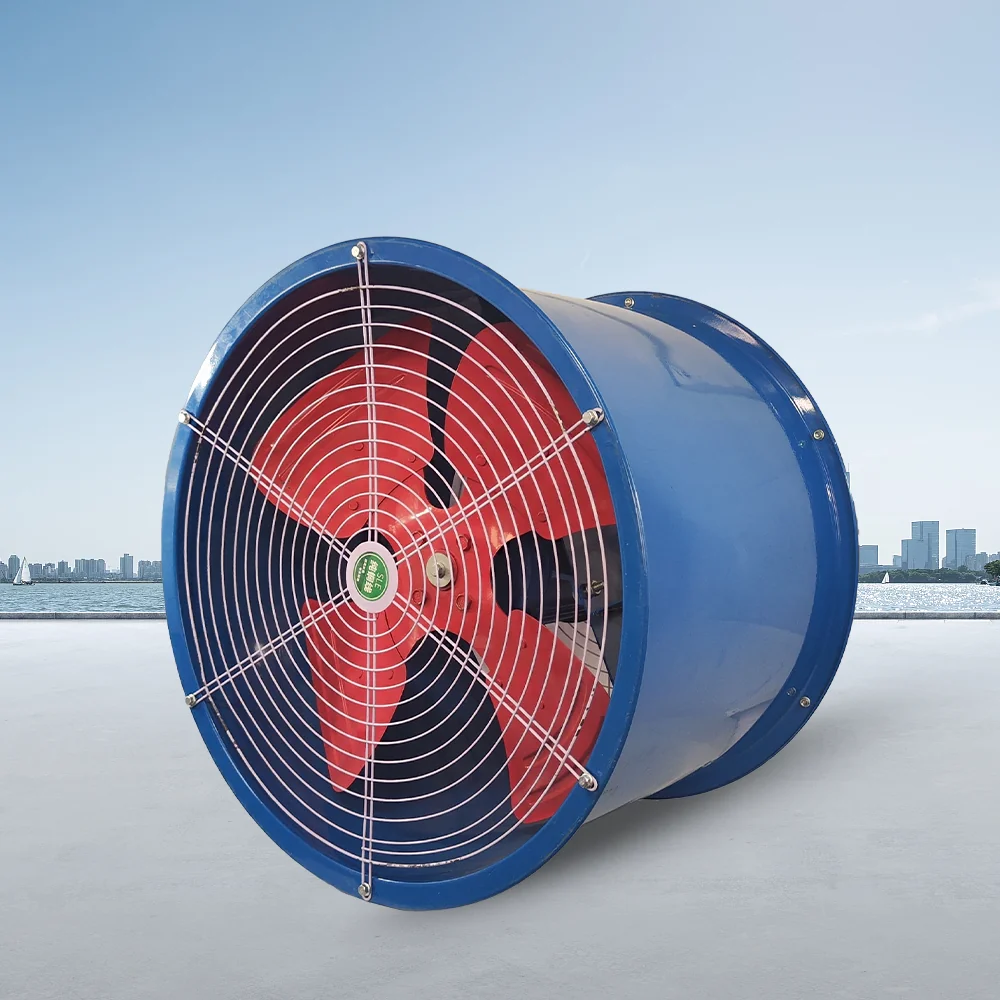
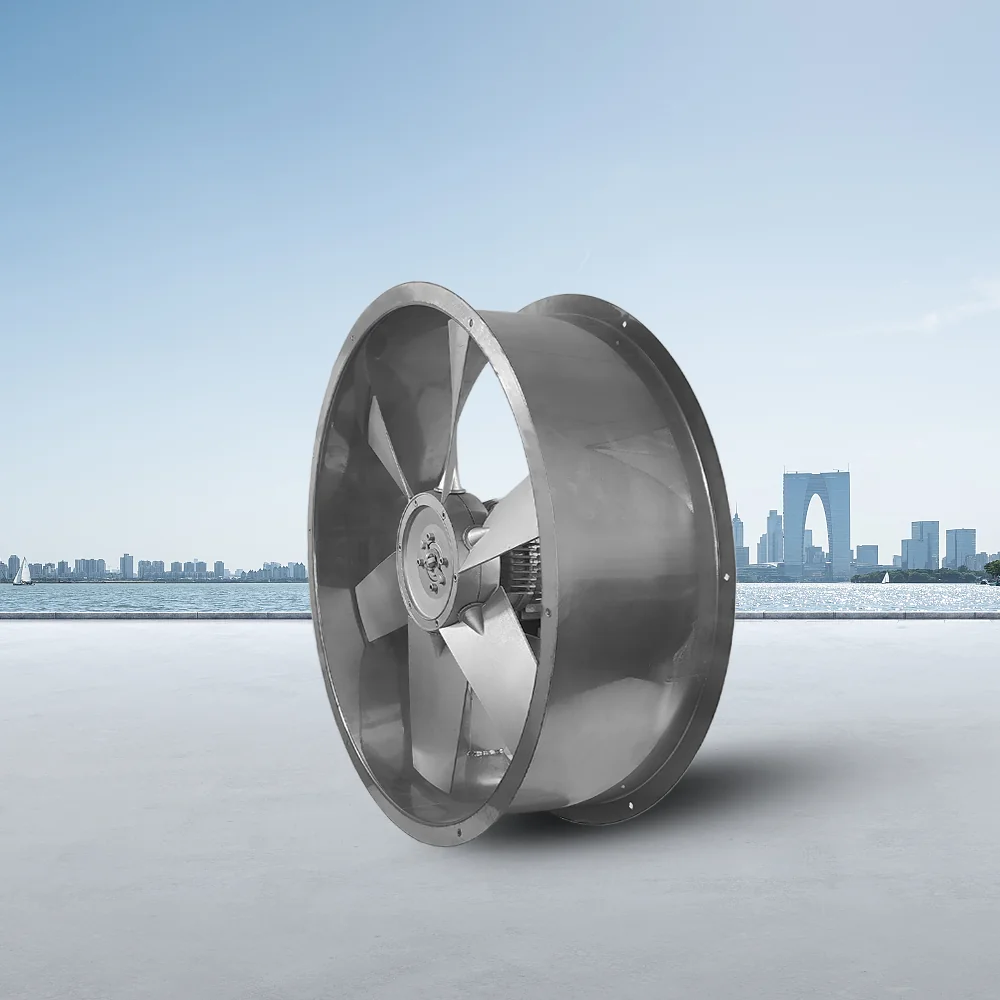
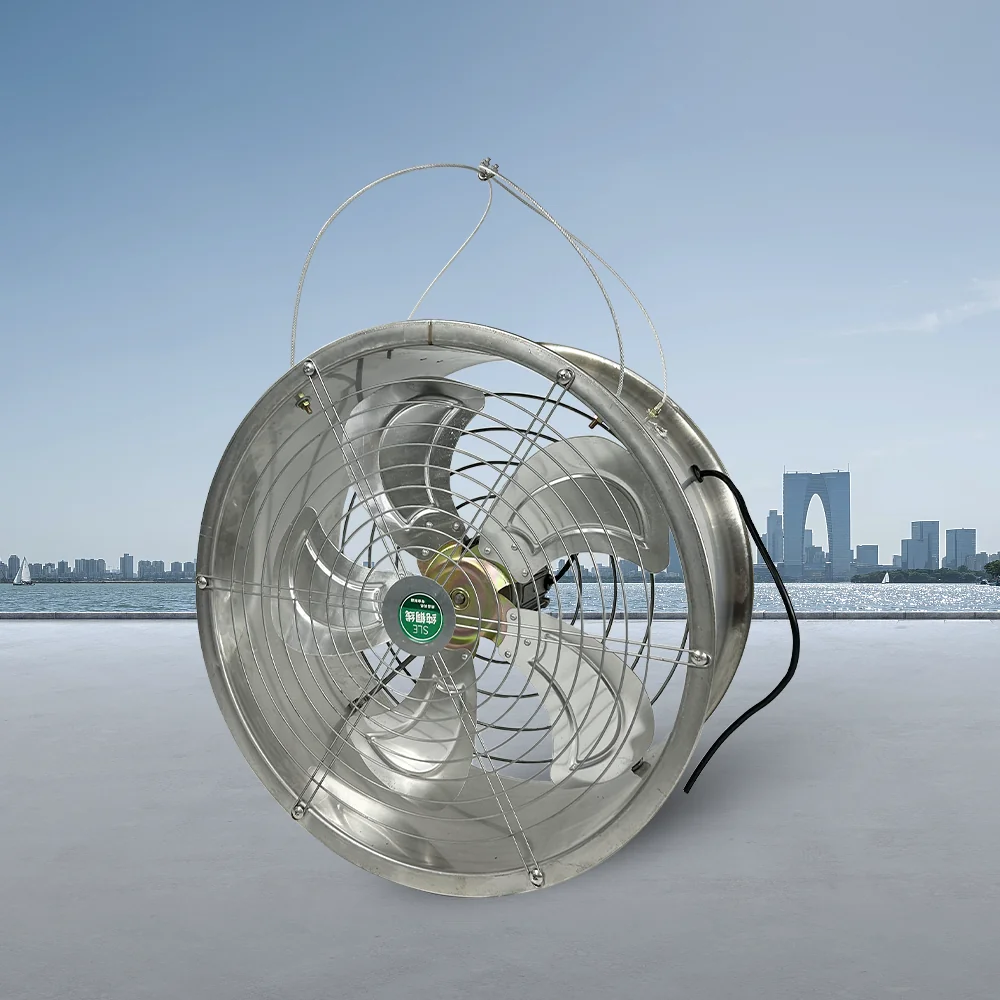
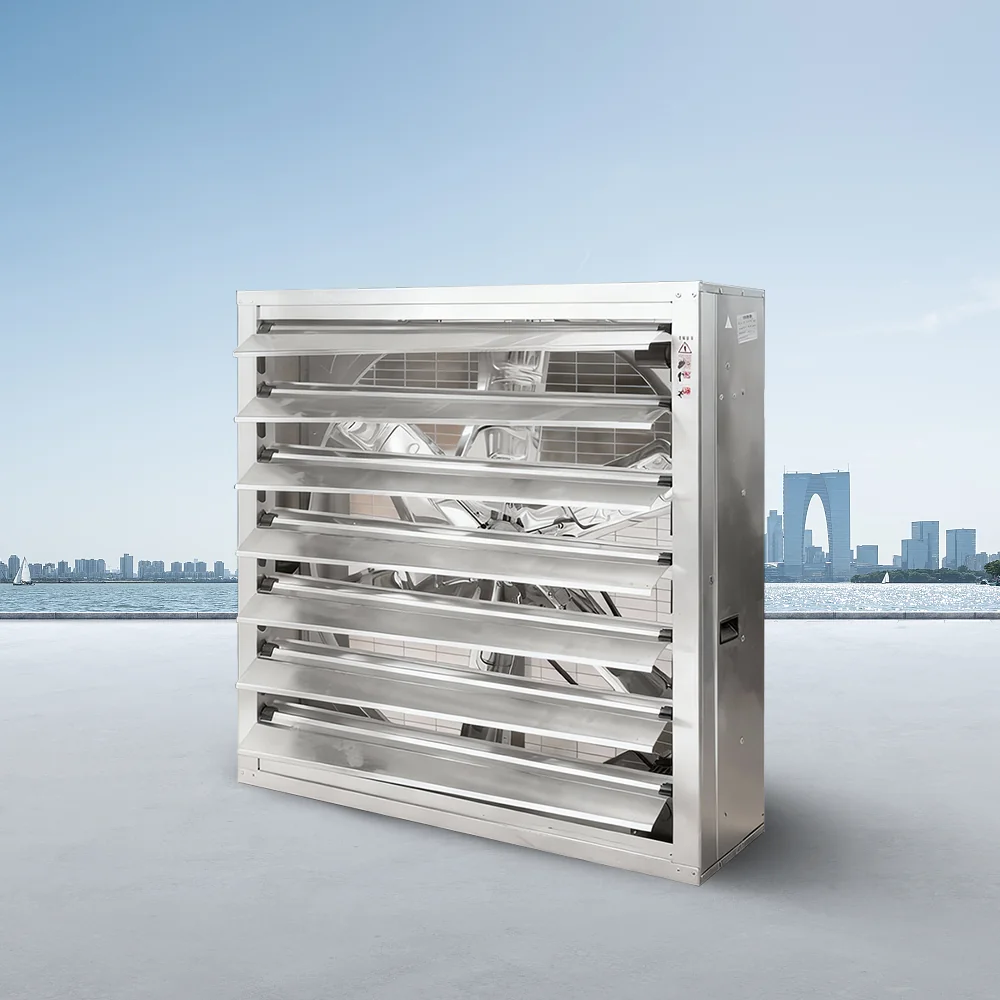
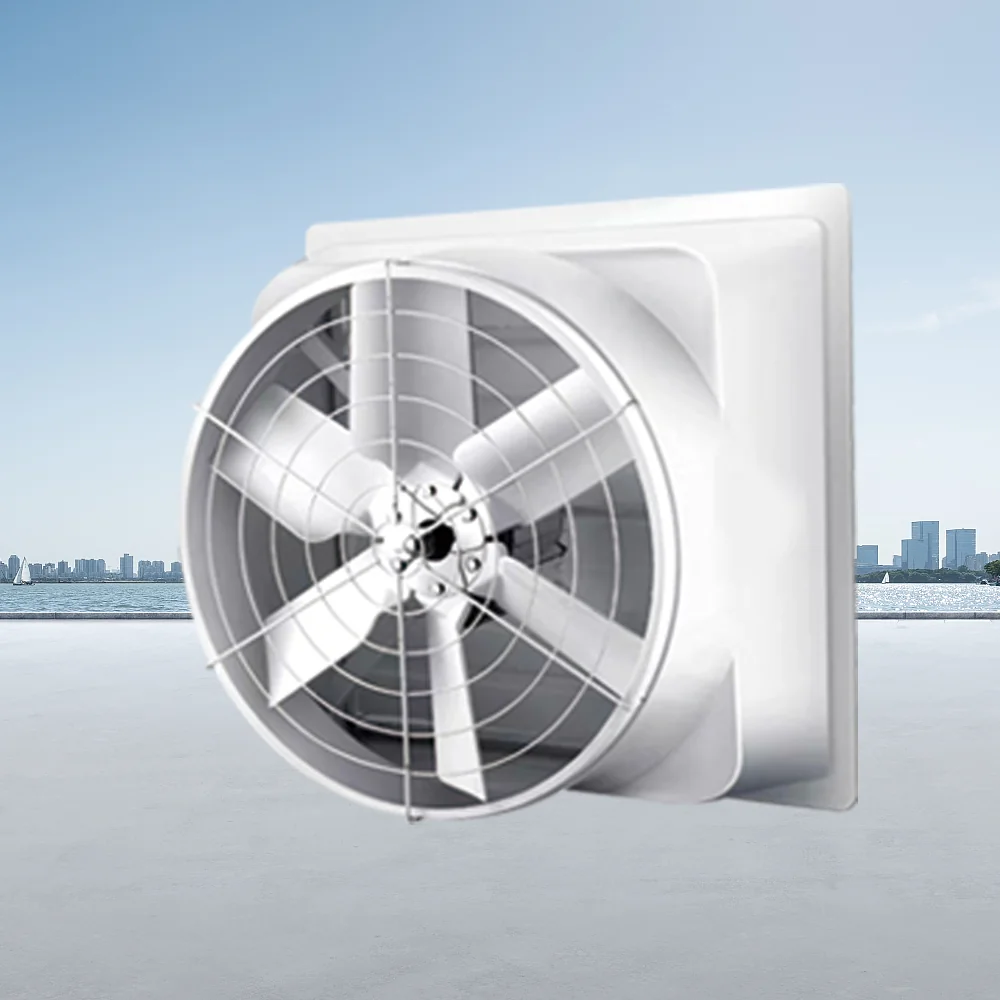
Chemical plant ventilation presents unique engineering challenges that standard industrial fans cannot meet. Corrosive gases, acidic fumes, alkaline mists, and volatile organic compounds demand fans engineered with specialized materials and safety features. Sailair's chemical ventilation solutions combine FRP (Fiber-Reinforced Plastic) construction, anti-corrosion coatings, and explosion-proof designs to deliver reliable performance in the harshest chemical processing environments — from electroplating lines and pickling tanks to wastewater treatment plants and university laboratories.
Mild steel and standard aluminum fans fail within 3–6 months when exposed to hydrochloric acid mist, sulfuric acid vapor, or alkaline cleaning agents. Blades corrode, bearings seize, and motor windings short out — causing unplanned downtime and safety hazards. FRP construction eliminates this failure mode entirely.
Chemical processes release chlorine gas (Cl2), hydrogen sulfide (H2S), sulfur dioxide (SO2), nitrogen oxides (NOx), and volatile organic compounds. These require sealed fan housings with chemical-resistant gaskets and proper duct connections to prevent workplace exposure and ensure OSHA compliance.
Solvent vapors, alcohol-based chemicals, and combustible dust create ATEX Zone 1/2 classified areas where a single spark from motor brushes or static discharge can trigger catastrophic explosions. Explosion-proof motor options and anti-static FRP formulations are essential.
Chemical facilities must comply with GB 16297, EPA NESHAP, and EU Industrial Emissions Directive standards for air pollutant discharge. Exhaust systems must maintain specified airflow rates under corrosive conditions, with the fan as the critical performance component of the entire ventilation train.
Engineered material selection, safety-focused design, and flexible customization for any chemical processing environment
Glass fiber reinforcement embedded in a high-performance synthetic resin matrix (vinyl ester or isophthalic polyester) provides exceptional resistance to hydrochloric acid, sulfuric acid, nitric acid, phosphoric acid, sodium hydroxide, and hypochlorite solutions. The entire fan casing, impeller, and inlet cone are FRP-molded as a monolithic structure — no metal parts in the air stream.
View FRP Fan →Explosion-proof motor certifications available for ATEX/IECEx compliance. Anti-static FRP formulation prevents electrostatic charge accumulation. Every project begins with a detailed review of your chemical inventory, process parameters, and exhaust requirements — we can customize blade geometry, motor enclosure type (TEFC / TENV / XP), and mounting configuration to match your exact installation.
View FRP Fan →
All-FRP construction with vinyl ester resin matrix. Acid, alkali, and salt spray resistant. Ideal for electroplating lines, pickling tanks, chemical storage areas, and laboratory fume hood exhaust. Operating temperature: -20 to 120°C.
View Details →
High-volume negative pressure exhaust for chemical workshop and processing area general ventilation. Three structural types available — wall-mounted, roof-mounted, and duct-connected. Large airflow capacity for rapid air exchange in large chemical processing bays.
View Details →FRP (Fiber-Reinforced Plastic) fans use glass fiber reinforcement embedded in a synthetic resin matrix (typically vinyl ester or isophthalic polyester). This composite material is inherently resistant to a wide range of chemicals including hydrochloric acid, sulfuric acid, nitric acid, phosphoric acid, sodium hydroxide, and chloride-based solutions. Unlike metal fans that corrode rapidly in these environments, FRP fans maintain structural integrity and aerodynamic performance for years — significantly reducing total cost of ownership through lower replacement frequency and reduced maintenance downtime.
Sailair FRP fans demonstrate excellent resistance to: acids — hydrochloric (HCl), sulfuric (H2SO4), nitric (HNO3), phosphoric (H3PO4), chromic, acetic; alkalis — sodium hydroxide (NaOH), potassium hydroxide (KOH), ammonium hydroxide; salts — sodium chloride, calcium chloride, ferric chloride, sodium hypochlorite; and organic solvents in moderate concentrations. For concentrated solvents or specific chemical combinations, we can select alternative resin formulations (e.g., furan or epoxy-based) to match your exact process chemistry.
Yes. Customization is a core part of our chemical ventilation service. We regularly modify: impeller diameter and blade count to match specific airflow/pressure requirements, inlet/outlet flange dimensions and orientation, motor enclosure (TEFC, TENV, XP for hazardous area compliance), mounting configuration (floor-standing, wall-mounted, ceiling-hung, or pedestal), and accessories (vibration isolators, flexible connectors, inlet dampers, discharge silencers). Send us your installation drawings and process data sheets — our engineering team will propose a matched solution.
Yes, we offer explosion-proof motor options for both our FRP axial fans and anti-corrosion centrifugal fans. Motors are available with ATEX/IECEx certification for Zone 1 (Category 2G) and Zone 2 (Category 3G) gas atmospheres, as well as Dust Zone 21/22 for combustible dust environments common in pharmaceutical and fine chemical processing. For FRP fans, we additionally offer anti-static resin formulations that prevent electrostatic charge accumulation on the fan casing — an important secondary safety measure when handling flammable solvent vapors. Please specify your hazardous area classification when requesting a quotation.
Tell us about your chemical process, exhaust requirements, and installation constraints — our engineering team will prepare a tailored proposal within 24 hours
Contact Our Engineering Team →